
The post-pandemic world has given us unprecedented flexibility in where we work. But after years of working from home, many professionals are hitting a wall — distractions, loneliness, and the blurred line between personal and professional life are real problems.
Is a coworking space the answer? In this guide, we compare WFH and coworking across every factor that matters: cost, productivity, networking, mental health, and work-life balance.
📋 Table of Contents
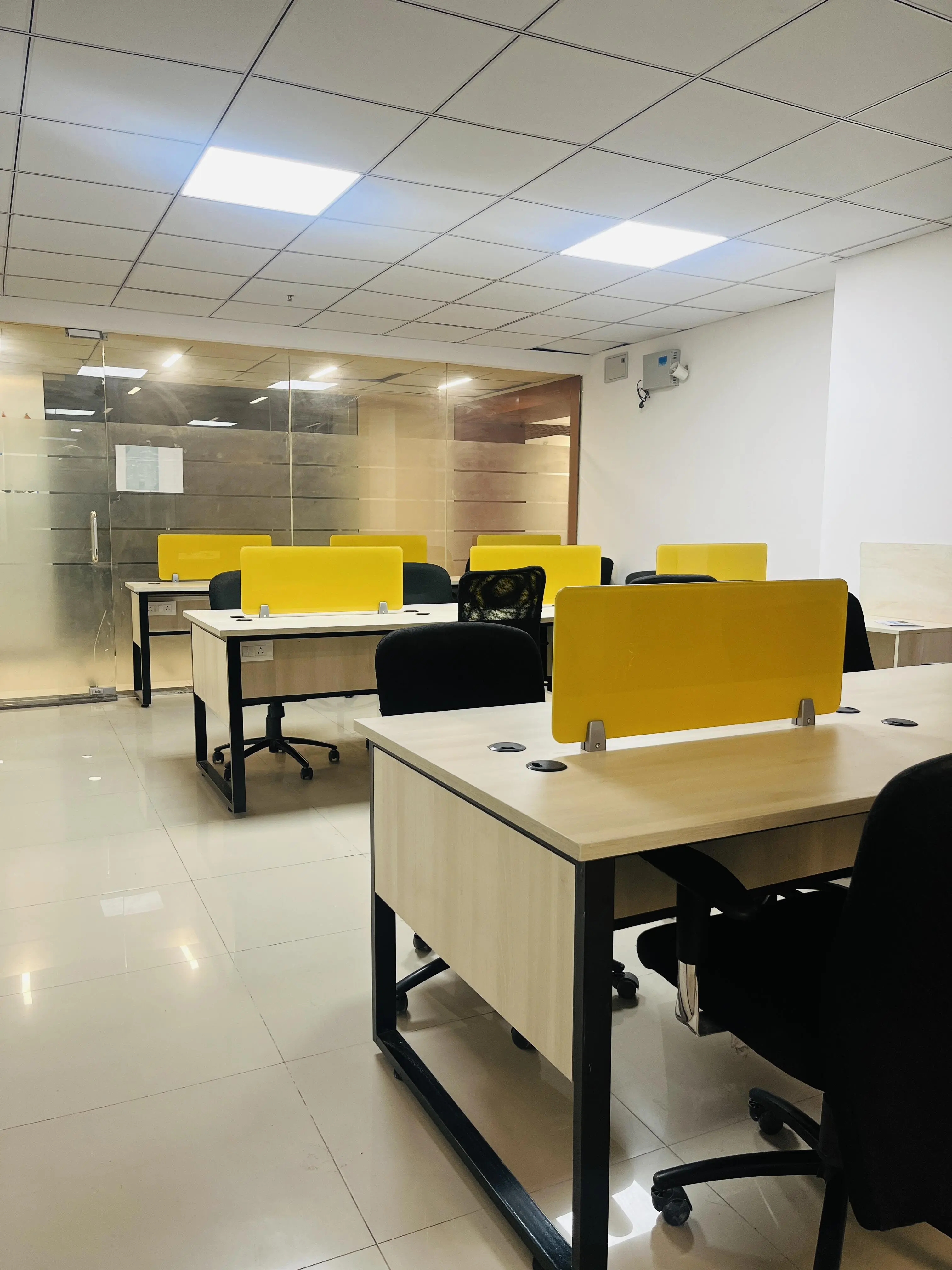
Quick Comparison: WFH vs Coworking
| Factor | Work From Home 🏠 | Coworking Space 🏢 |
|---|---|---|
| Monthly Cost | ₹0 (but hidden costs) | ₹5,999-8,999/month |
| Productivity | ⭐⭐⭐ (distractions) | ⭐⭐⭐⭐⭐ |
| Internet Speed | 20-50 Mbps (shared) | 100+ Mbps (dedicated) |
| Networking | ❌ Zero | ✅ Daily interactions |
| Distractions | High (family, chores, TV) | Low (professional environment) |
| Work-Life Boundary | Blurred | Clear separation |
| Meeting Room | ❌ Living room Zoom calls | ✅ Professional setup |
| Commute | 0 minutes | 10-20 minutes |
| Professional Image | ⭐⭐ | ⭐⭐⭐⭐⭐ |
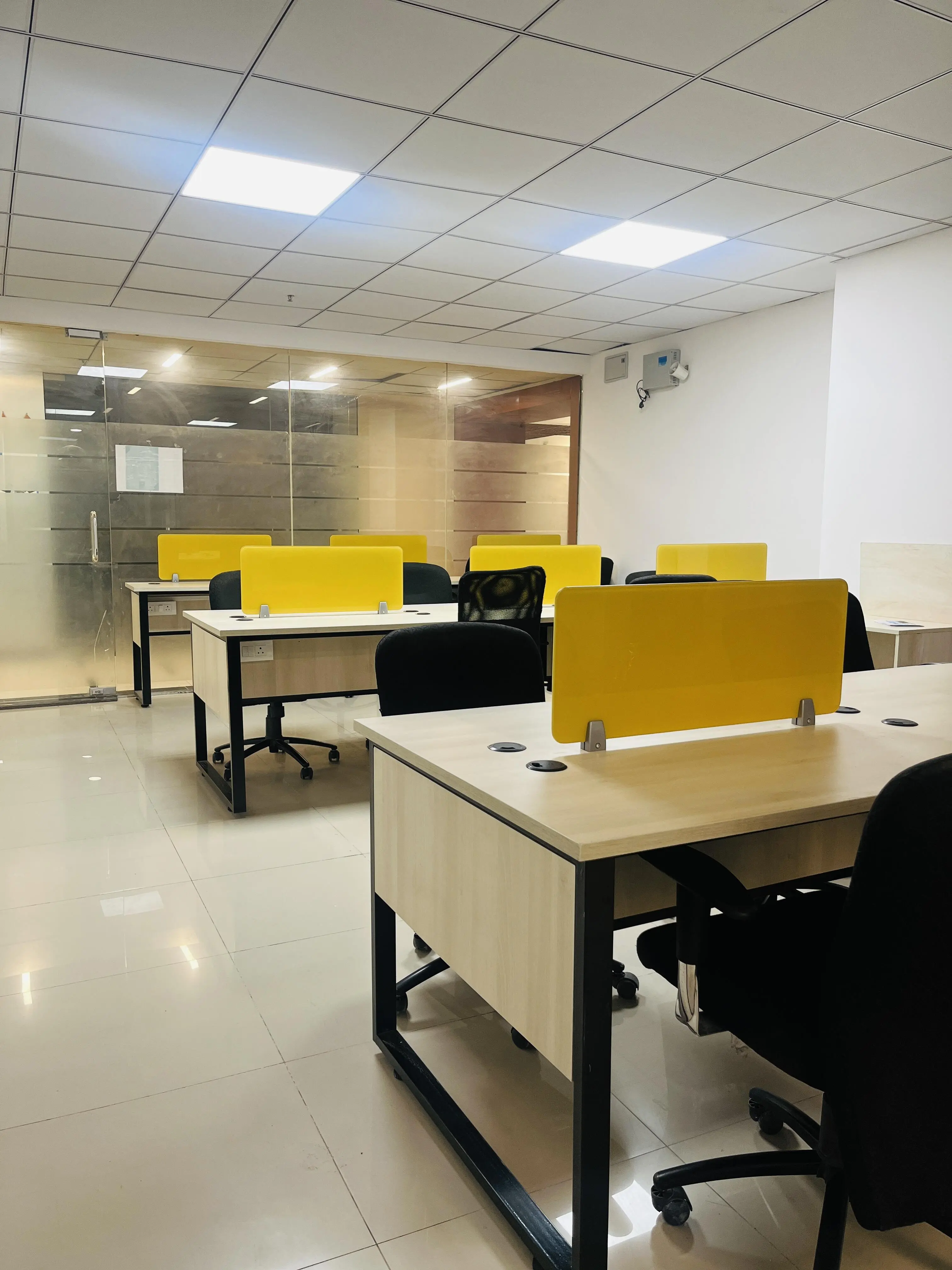
Productivity: The #1 Reason People Switch to Coworking
Let's be honest: working from home sounds great in theory. No commute, pajamas all day, your own kitchen. But the reality for most people involves:
- Family members/roommates
- Doorbell, deliveries, neighbours
- Household chores calling you
- TV/Netflix temptation
- Social media scrolling
- No "office mode" trigger
- Silent, focused atmosphere
- Everyone around you is working
- Phone booths for calls
- No domestic distractions
- Deep work becomes effortless
- "Going to office" ritual = focus mode
A Stanford study found that dedicated workspace users are 13% more productive than those working from living rooms or bedrooms. The simple act of "going to work" — even if it's a 10-minute commute — creates a psychological boundary that enhances focus.
"I was WFH for 2 years and thought I was productive. After joining DevLogic, I realized I was spending 3-4 hours daily on distractions. My output literally doubled in the first month. The ₹6,000/month pays for itself 10x over."
— Prashant M., Full-Stack Developer, Wakad
Real Cost Comparison: WFH vs Coworking
"But coworking costs money, and WFH is free!" — this is the most common argument. But is WFH really free? Let's calculate the hidden costs of working from home:
| Hidden WFH Cost | Monthly Cost |
|---|---|
| Higher electricity bill (AC 8+ hours) | ₹2,000-4,000 |
| Upgraded home internet (fiber) | ₹800-1,500 |
| Ergonomic chair + desk (amortized) | ₹500-1,000 |
| Extra tea/coffee/snacks | ₹500-1,000 |
| Lost productivity (2-3 hrs/day distractions) | ₹15,000-30,000* |
| Total Hidden WFH Cost | ₹18,800 — ₹37,500/month |
* Lost productivity calculated at average freelancer rate of ₹500-1,000/hr × 2-3 hours/day × 20 working days
That's less than what most people spend on extra electricity and lost productivity combined.
Networking & Career Growth
This is where coworking absolutely destroys WFH. When you work from home, your professional network stays frozen. No new contacts, no serendipitous conversations, no referrals.
At a coworking space like DevLogic, you're surrounded by:
- Startup founders who might need your services
- Freelancers who can refer overflow work to you
- IT professionals from major companies who become connections
- Mentors and experienced entrepreneurs willing to share advice
A Harvard Business Review study found that coworking members reported a thriving score of 6 out of 7 — higher than traditional office workers — primarily due to community belonging and professional identity.
Real Networking Wins at DevLogic
- A freelance designer met a startup founder at the coffee machine → Now handles their entire branding (₹3 lakh project)
- Two developers who sat next to each other formed a partnership → Built a SaaS product together
- A CA joined DevLogic → Got 15 new clients from fellow members in 6 months
Mental Health & Work-Life Balance
The mental health cost of prolonged WFH is well-documented:
- Loneliness: 45% of remote workers feel isolated (Buffer 2024 Remote Work Report)
- Burnout: Without physical separation between work and home, many people work longer hours without realizing it
- Lack of routine: No commute means no transition ritual, leading to difficulty "switching off"
- Reduced social skills: Extended WFH can erode confidence in professional interactions
Coworking provides an elegant solution:
How Coworking Helps Mental Health
- Clear boundary: "Going to work" and "coming home" creates healthy separation
- Social interaction: Even casual "good morning" conversations combat loneliness
- Structure: A regular commute builds routine and discipline
- Community: Belonging to a group of professionals boosts confidence and motivation
- Natural stop time: When others leave, you feel the social cue to stop working too
Who Should Choose What?
Stay WFH If...
- You have a dedicated home office (separate room with door)
- You live alone with zero distractions
- Your work requires complete isolation (writing, research)
- You're saving aggressively and every rupee counts
- You have strong self-discipline and existing routine
Switch to Coworking If...
- You work from your bedroom/living room
- Family, roommates, or noise distract you
- You feel isolated or lack motivation
- You need to meet clients professionally
- You want to grow your network
- You struggle with work-life boundaries
- You need reliable, fast internet
The Hybrid Solution: Best of Both Worlds
You don't have to choose exclusively. The smartest professionals use a hybrid approach:
The Optimal Hybrid Schedule
- Monday-Thursday: Coworking space for focused, productive work and networking
- Friday: Work from home for deep thinking, planning, and personal flexibility
- Weekends: Use coworking for side projects or study (24/7 access spaces like DevLogic)
Cost-effective option: Start with DevLogic's Day Pass at ₹399/day. Use it 15 days/month = ₹5,985/month — nearly the same as the unlimited hot desk at ₹5,999/month, which is clearly the better deal.
Frequently Asked Questions
Q: Is coworking worth it for freelancers?
Absolutely. For freelancers, coworking pays for itself through higher productivity (2-3 extra billable hours/day), professional networking (new client referrals), and business address for GST registration. Most freelancers see ROI within the first month.
Q: Can I use a coworking space occasionally instead of daily?
Yes. Most coworking spaces offer day passes (₹399/day at DevLogic). This is perfect if you want 10-15 focused days per month while working from home the rest.
Q: What's the cheapest way to try coworking?
Book a free trial day at DevLogic (no payment required). Or start with a day pass at ₹399. If you like it, upgrade to a monthly hot desk at ₹5,999/month — zero deposit, cancel anytime.
Q: Is coworking safe for women?
Premium coworking spaces like DevLogic have CCTV surveillance, digital access passes, reception staff, and well-lit premises. Many women choose coworking over WFH specifically for the security and professional environment.
Q: Do coworking spaces provide lockers for personal belongings?
Most dedicated desk and private cabin plans include lockable storage. DevLogic provides personal lockers for all monthly members.
Ready to Escape WFH and 10x Your Productivity?
Try DevLogic Coworking free. No commitment, no deposit. Just come, work, and experience the difference.